
Electrification
Taking combustion out of your heat treatment.
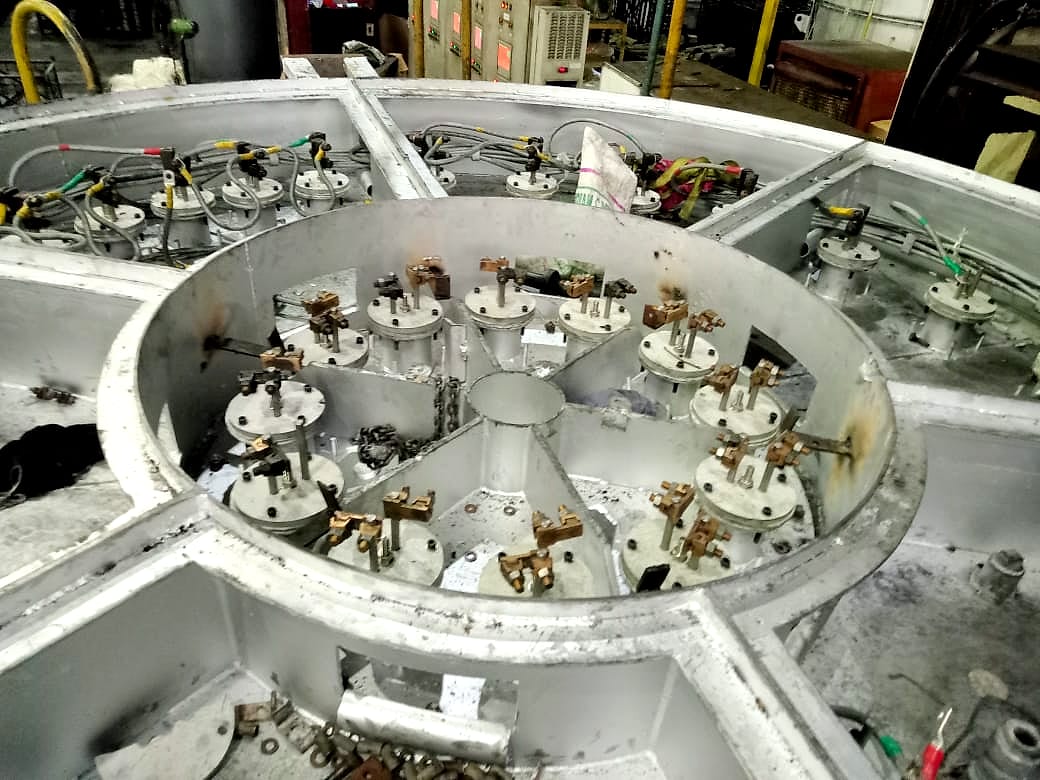
Converting a gas- or oil-fired furnace to electric heating, usually inside the structure you already own.
Why plants convert
What changes when the burners come out.
Electric resistance heating changes how the furnace behaves, not only what it runs on.
Every load heated the same way
Temperature and heat distribution are held exactly where they're set, switched by solid-state power control. Consistent parts, fewer rejects.
Running cost that holds at temperature
Electric heating keeps its efficiency as the furnace gets hotter, while fuel firing loses more heat up the flue the hotter it runs.
Less maintenance, less downtime
No burners, fuel trains or combustion parts to service. Fewer things wear, so fewer unplanned stops.
A fundamentally safer plant
No open flame, no combustion gases and no explosion risk, which also means simpler safety systems.
A cleaner, quieter shop floor
No combustion, smoke or hot flue gases. The area around the furnace is cooler and cleaner to work in.
Ready for decarbonisation targets
Zero combustion emissions on site. The footprint follows your electricity mix and keeps shrinking as the grid gets cleaner.
Higher temperatures within reach
Resistance elements reach process temperatures beyond what gas firing can practically deliver.
Heat placed where the load needs it
High power density, applied exactly where it's needed, in a furnace of any size and anywhere in the plant, with no flue to route.
The honest view
Judge it on lifetime cost, not the price of a unit of power.
What it costs
- Electricity usually costs more per unit of energy than burning fuel directly.
- The equipment, and the electrical infrastructure to feed large loads, is a capital cost.
- Very high loads can strain the available grid supply, so capacity has to be checked first.
What it gives back
- Lower total energy use: the heat goes into the work, not up a chimney.
- Higher yield: tight control means fewer rejects and less rework.
- Less maintenance and downtime with no combustion parts.
- A smaller footprint: no fuel storage or exhaust handling.
A cheaper furnace that runs hotter than it needs to, rejects parts and stops for repairs costs more every year it runs. Ask us to work through the numbers for your furnace before you commit.
How a conversion is engineered
Six steps, and the first one is looking hard at what you have.
- 1
Assess the furnace you have
Heat loss, temperature uniformity, load, cycle and the condition of the shell and lining. Most conversions keep the structure.
- 2
Size the heat
A heat balance for your charge and cycle sets the installed power, so the furnace is neither starved nor oversized.
- 3
Design elements and insulation
Element type, alloy, loading and supports are chosen for your temperature and atmosphere, with insulation to match.
- 4
Engineer the control
Thyristor power control and PLC logic, zone by zone, so temperature holds tight and the elements are protected.
- 5
Check the supply
Voltage, phase balance, cabling and earthing are verified before the first element is energised.
- 6
Commission and validate
Installation, commissioning and a temperature uniformity survey, with operators trained on the new system.
Element life
Elements rarely fail on their own.
Most early failures start outside the element. These are the four things we check before specifying one.
Quality of power
Voltage swings, harmonics and phase imbalance overload individual elements long before their time.
Plant environment
Moisture, dust, vibration and a quench tank nearby all shorten element life if the design ignores them.
Application design
Insulation, spacing, supports, atmosphere and how the thyristor fires decide whether elements run cool or burn out.
Operation and upkeep
Survey sign-off, trending element resistance and planned maintenance catch ageing before it becomes a breakdown.
Proof
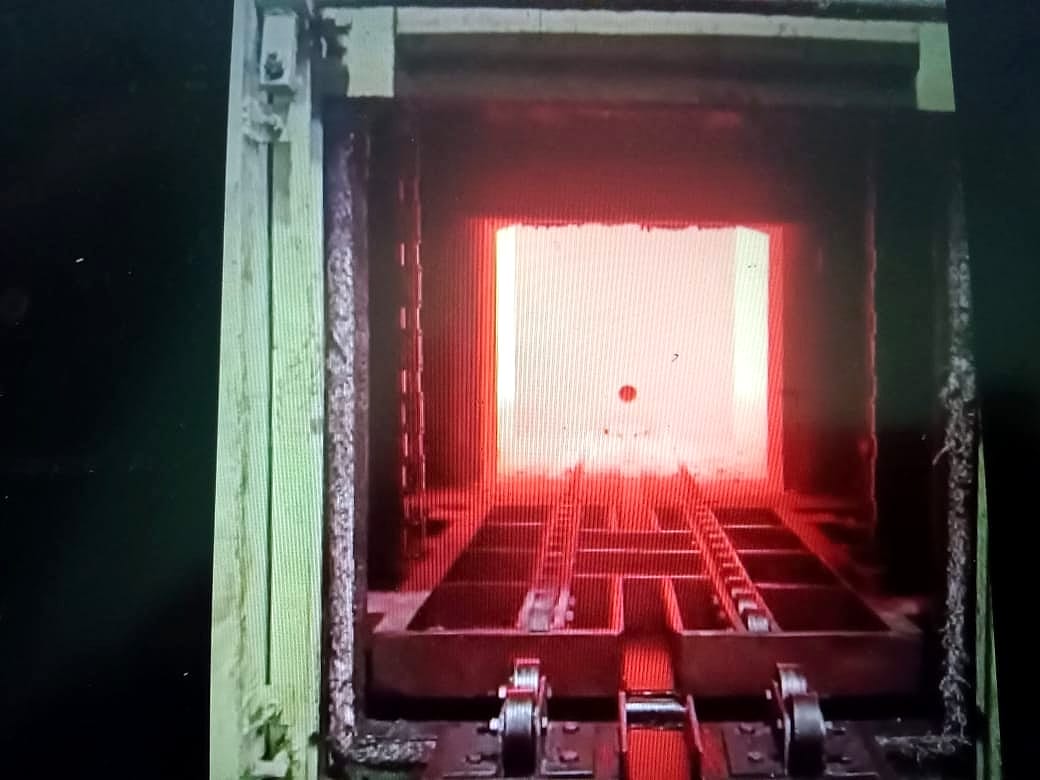
Conversions we've delivered.
Start a project
Thinking about going electric?
Tell us the furnace, the process and what it runs on today. We'll tell you whether conversion makes sense for it.
We reply within two business days.