Skip to content

Try “pit furnace”, “Fibrothal” or “electrification”.

    Case study · Retrofit

    Bringing a sealed quench furnace back into production

    A bearing manufacturer's sealed quench furnace was not in working condition. We rebuilt it across eight workstreams and handed it back to production in January 2026.

    Furnace:
    Sealed quench furnace
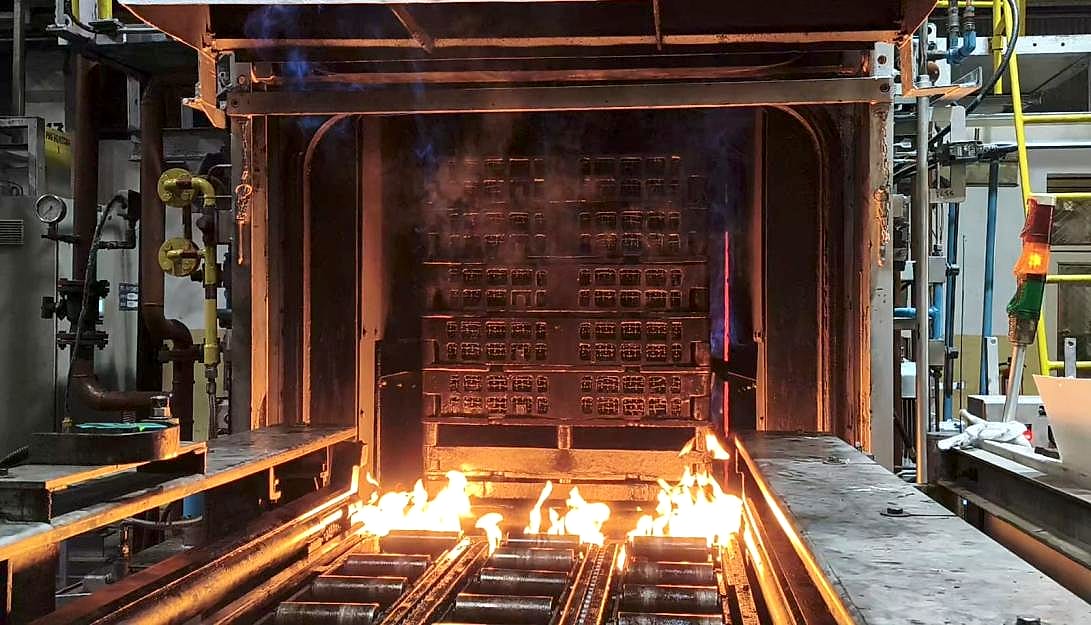
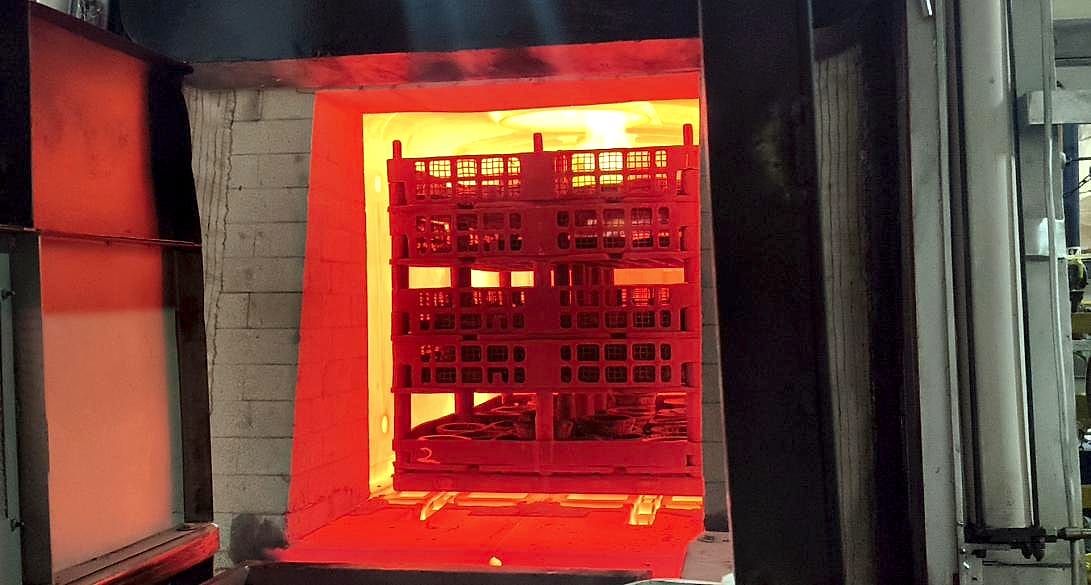
    Sealed quench furnace chamber glowing at temperature, door open, with a loaded fixture basket inside

    Results

    What the project delivered.

    Workstreams in one revamp
    8
    Quench-oil level sensors
    2 → 4
    Staged trials before handover
    4
    Handed back to production
    Jan 2026

    The furnace was not in working condition when we started. It was handed back to production in January 2026.

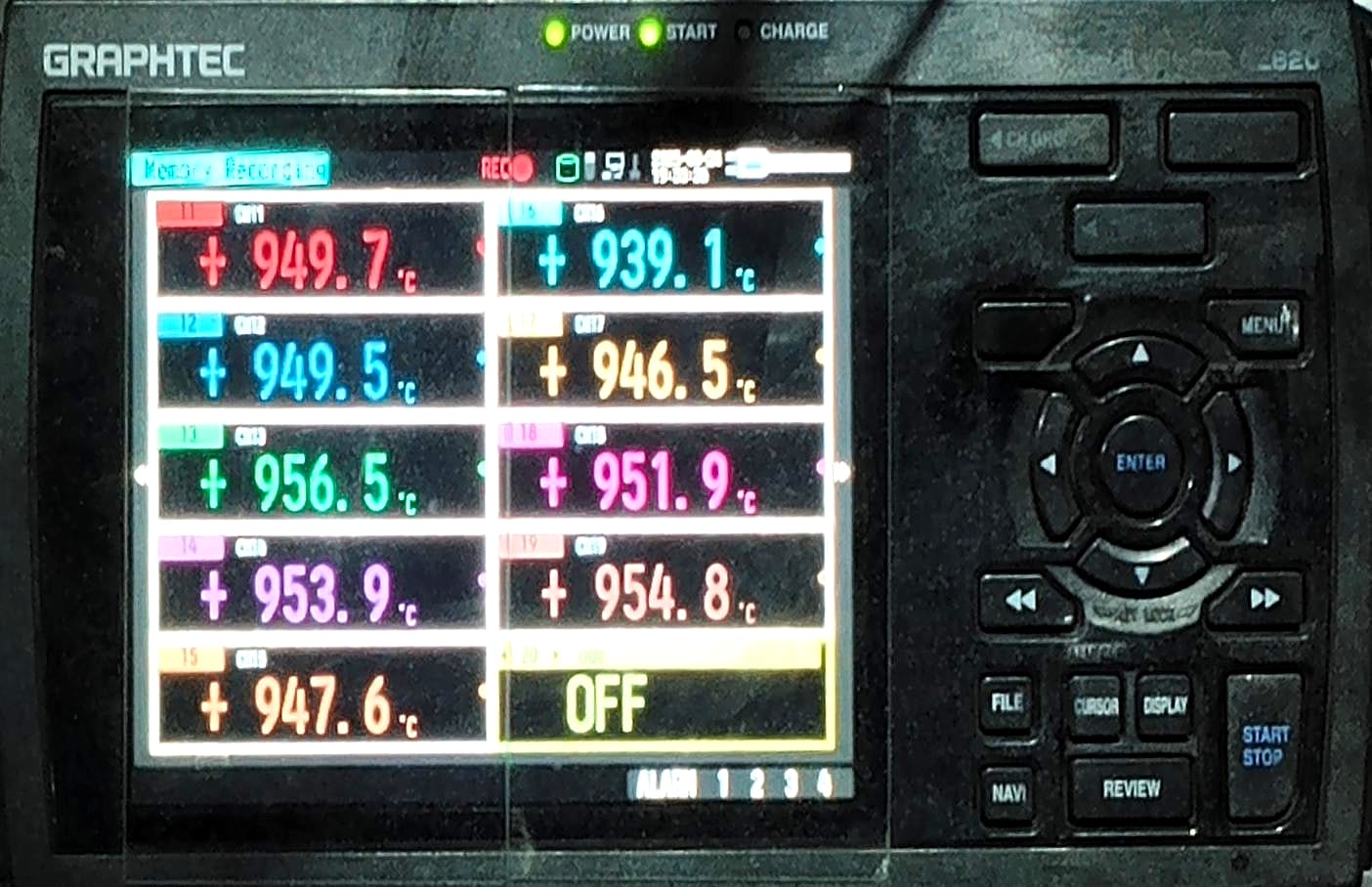
    Release came only after a Temperature Uniformity Survey referenced to AMS 2750 and four staged trials: dummy, cold, scrap load and a fresh material charge.

    Overview

    The project.

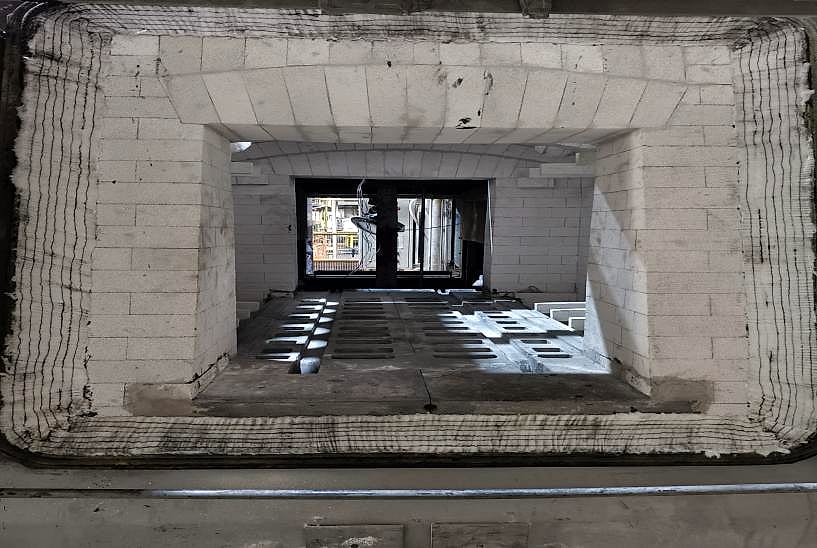
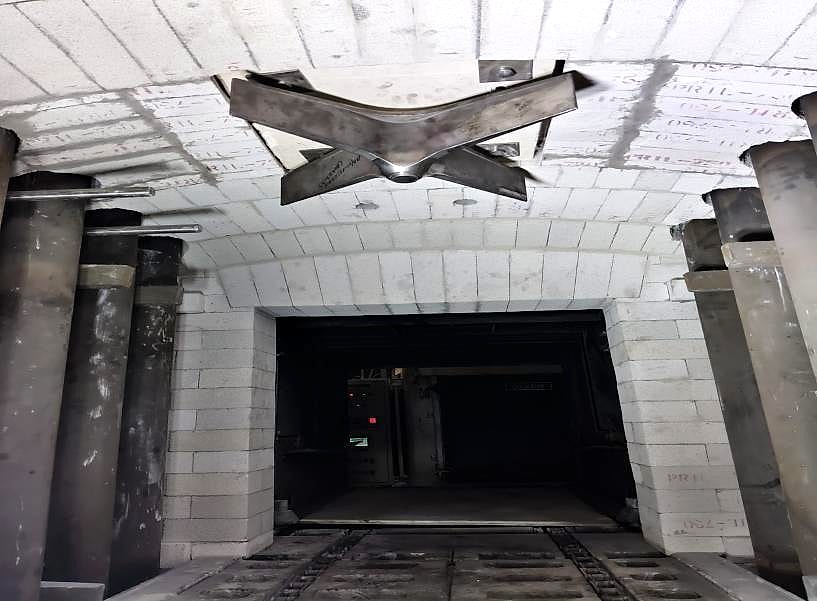
    Rebuilt chamber roof and walls in new refractory brick
    Case study · Retrofit

    What we did

    A bearing manufacturer's sealed quench furnace was not in working condition. The lining, the instruments, the atmosphere panel and the controls all needed work before it could run again.

    Patching individual failures would have left a furnace that nobody could trust at temperature. We treated it as one system: rebuild the hot face, replace every field instrument, take cooling water out of the atmosphere zone, and rewrite the PLC so the new hardware runs as a whole.

    Why cooling water had to go

    Water close to a controlled furnace atmosphere is a standing risk: a leak puts moisture into the furnace. Converting both the recirculation-fan cooling and the heat exchanger to air removed that risk, along with the scaling, corrosion and leak maintenance that water cooling brings.

    • CustomerBearing manufacturer
    • EquipmentSealed quench furnace (SQF)
    • ConditionNot in working condition
    • ScopeComplete retrofit and modernisation
    • HandoverJanuary 2026
    Scope of work

    How it was done.

    1. 01

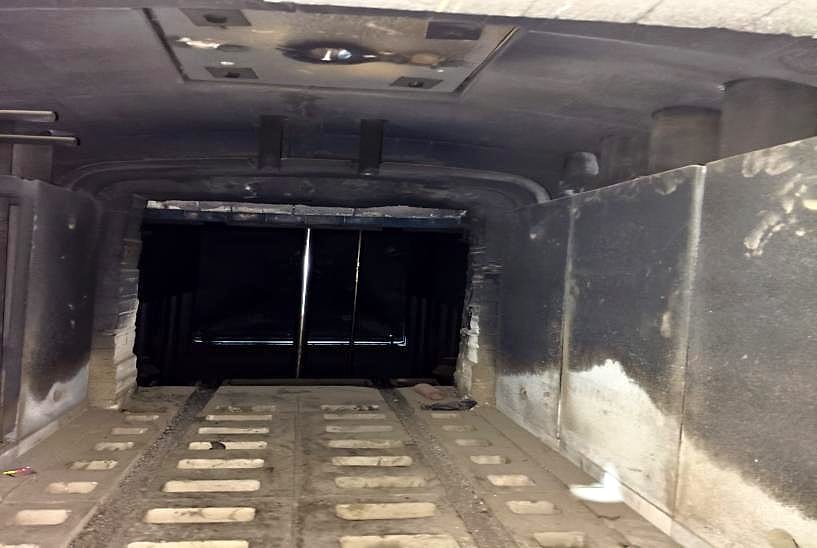
      Refractory lining

      The old lining was stripped out and the brick lining and hearth rebuilt with better refractory and insulation, aligned for stable loads and even heating.

      Furnace chamber before the retrofit: soot-blackened lining and worn hearth
      Before
      Same chamber after the retrofit: new light-coloured brick lining and rebuilt hearth
      After
    2. 02

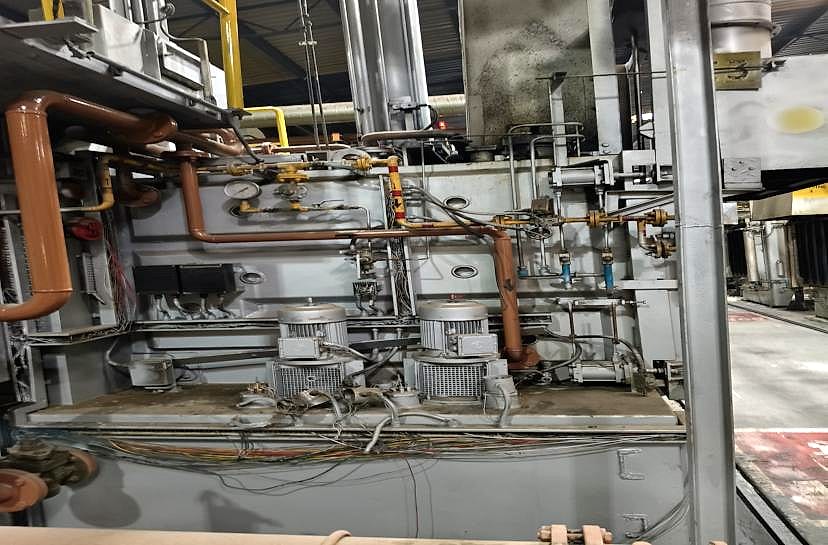
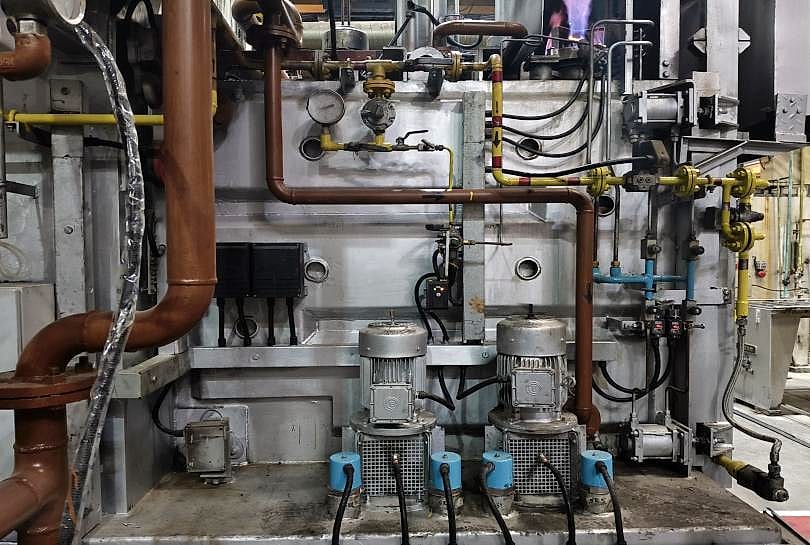
      Instrumentation

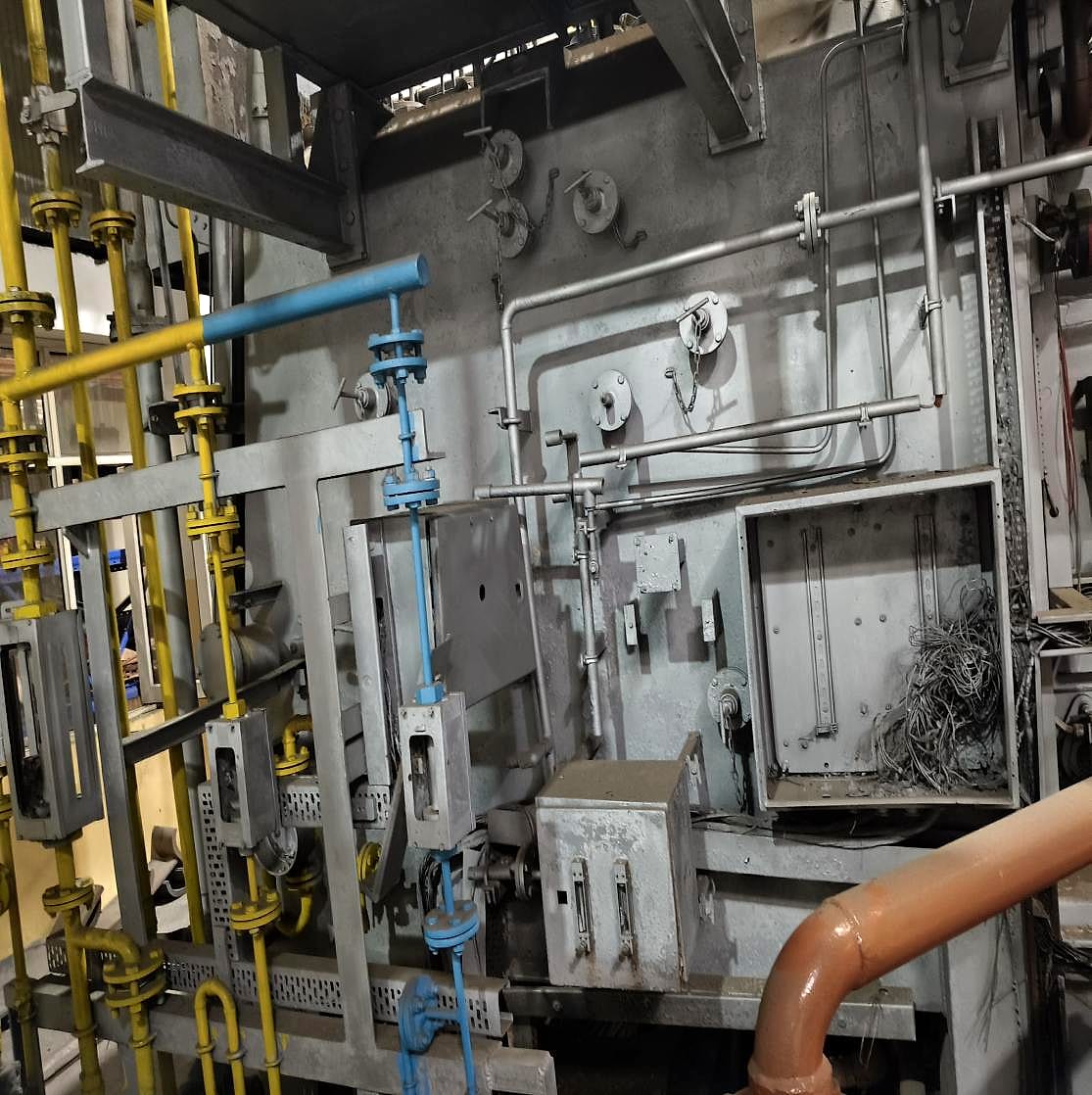
      Every field instrument was removed and replaced with new sensors and controllers, then integrated with the PLC and control panel.

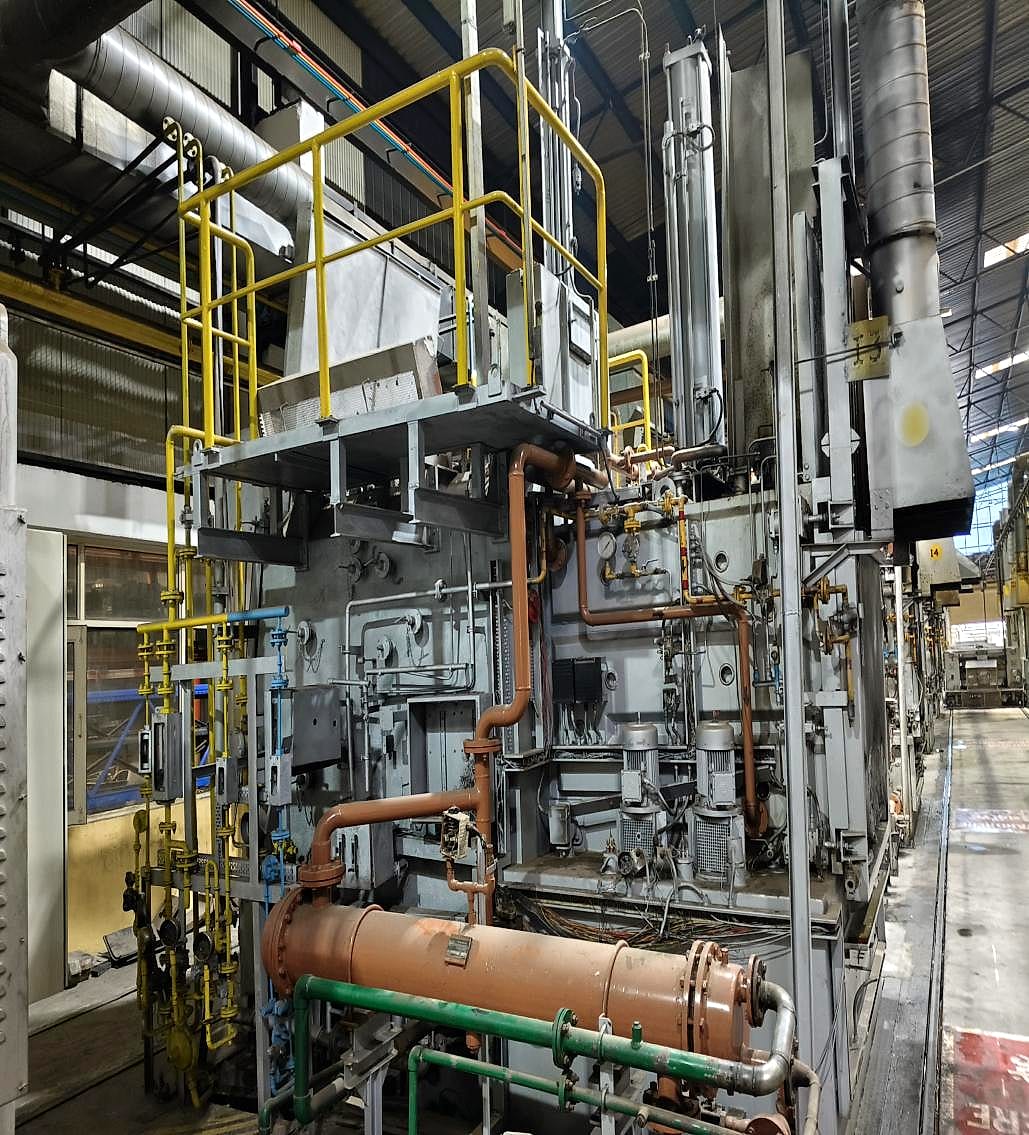
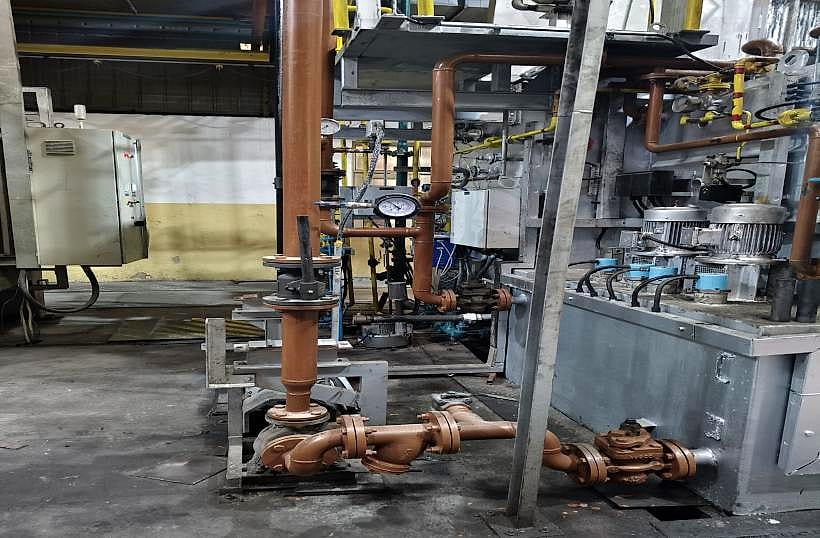
      Furnace side before the retrofit, with the old field instruments and piping
      Before
      Furnace side after the retrofit, with every field instrument replaced
      After
    3. 03

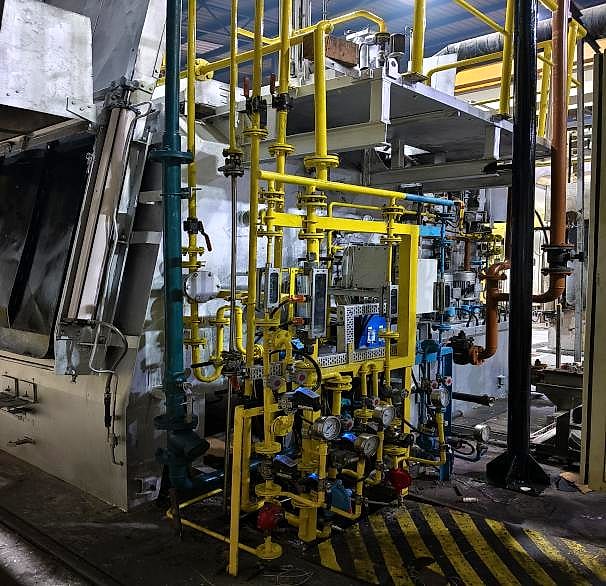
      Atmosphere panel

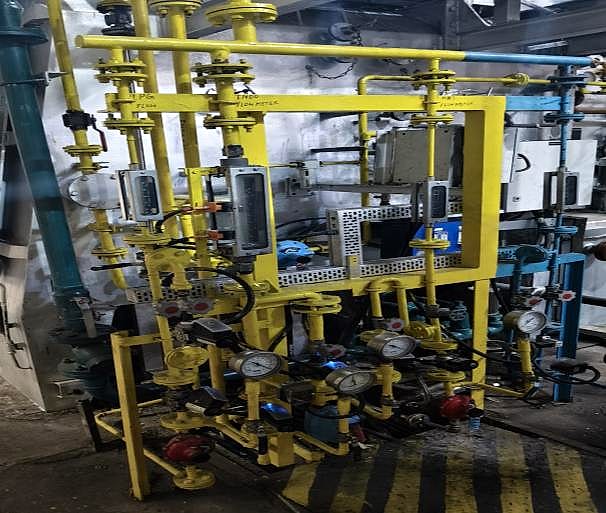
      The nitrogen, methanol and carrier-gas mixing panel was rebuilt with new flow meters, solenoid valves, non-return valves, pressure gauges and switches, with interlocks against atmosphere imbalance.

      Old nitrogen, methanol and carrier-gas mixing panel before the rebuild
      Before
      Rebuilt gas mixing panel with new flow meters, valves and yellow gas lines
      After
    4. 04

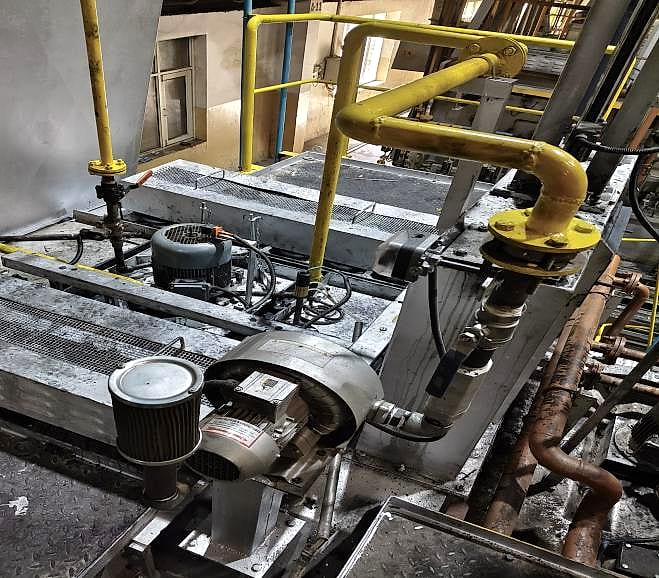
      Fan cooling

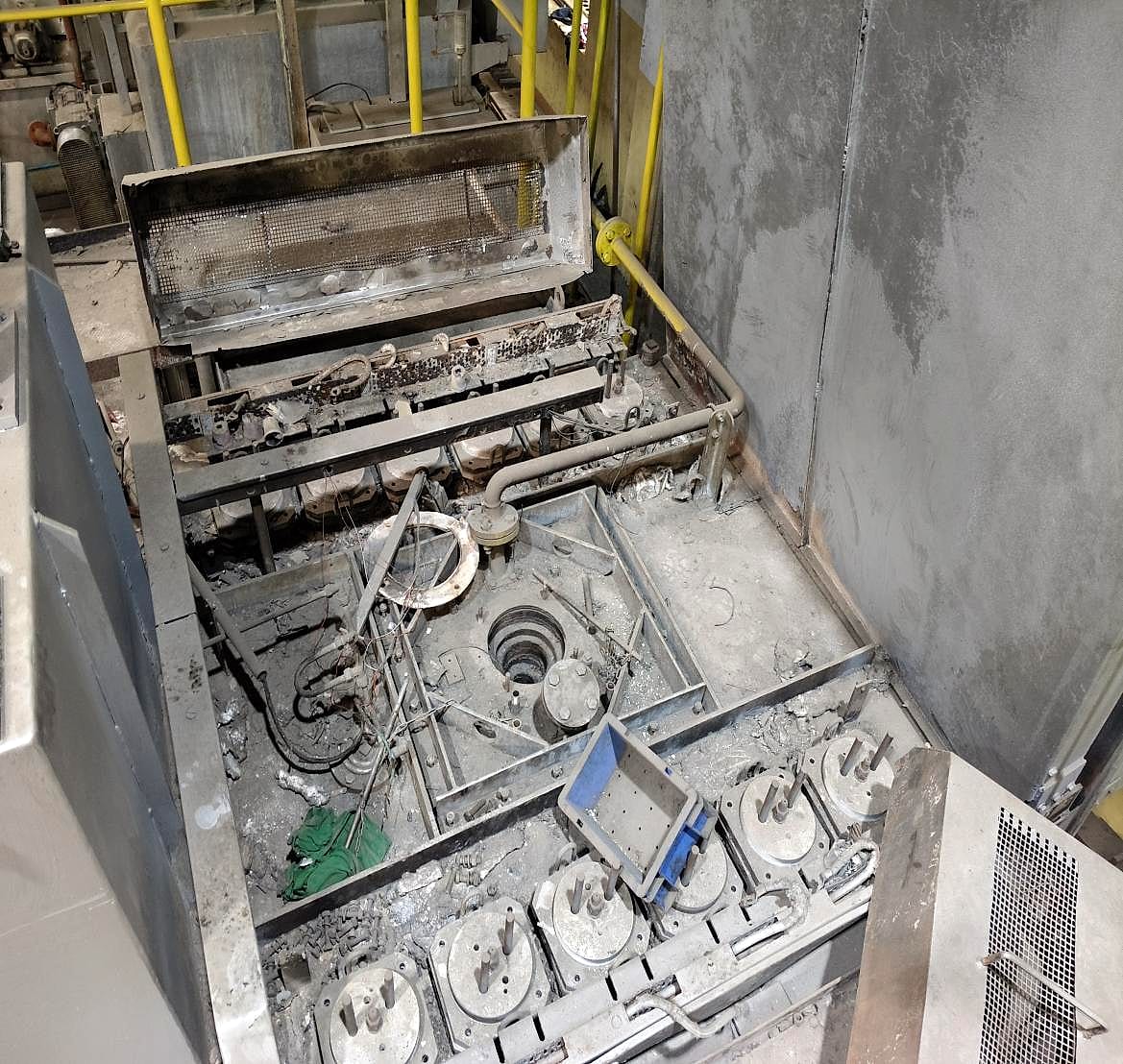
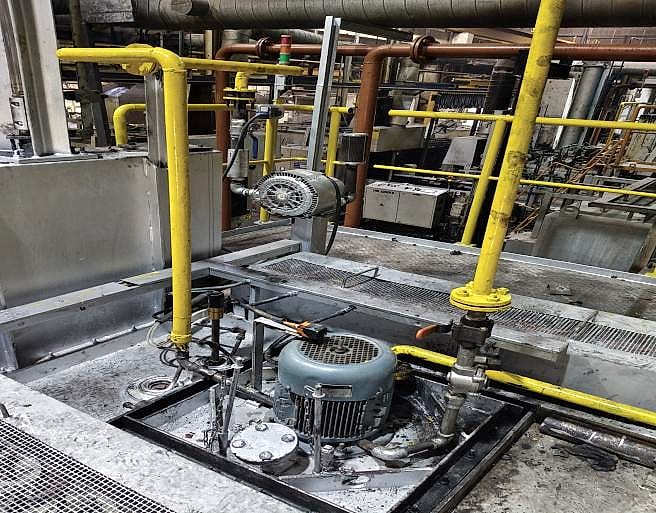
      Recirculation-fan cooling was converted from water to air, removing leakage, scaling and corrosion and keeping water away from the atmosphere.

      Recirculation fan area before the conversion, with the old water-cooled arrangement
      Before
      Recirculation fan after conversion to air cooling
      After
    5. 05

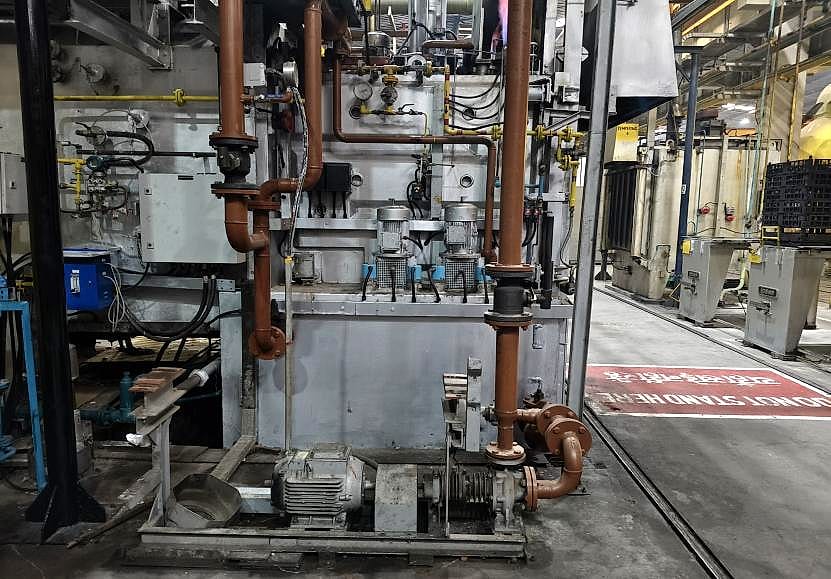
      Heat exchanger

      The water-cooled heat exchanger was replaced with an air-cooled unit for the same reasons, at lower running cost.

      Furnace with the original water-cooled heat exchanger (orange, lower left)
      Before
      Air-cooled heat exchanger installed in place of the water-cooled unit
      After
    6. 06

      Quench-oil level

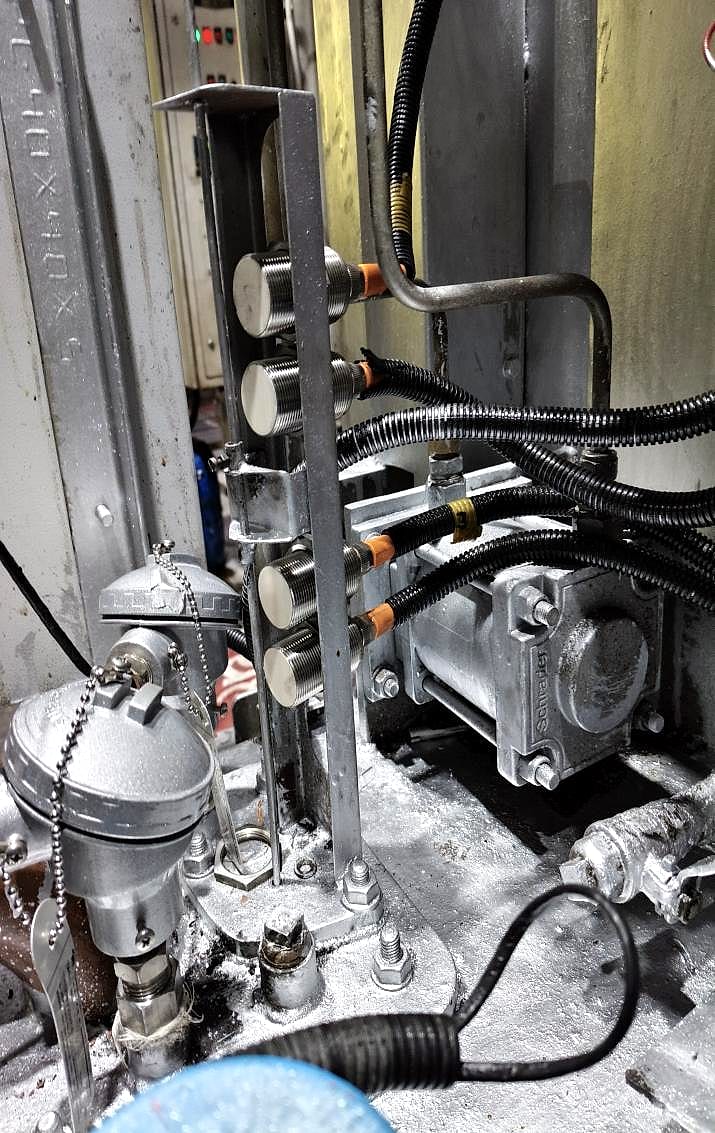
      Oil level sensing went from two sensors to four, with PLC alarms for low and high level to prevent shortage or overflow during quenching.

      Quench end of the furnace before the upgrade, with the original oil level sensing
      Before
      New quench-oil level sensor, one of four now monitored by the PLC
      After
    7. 07

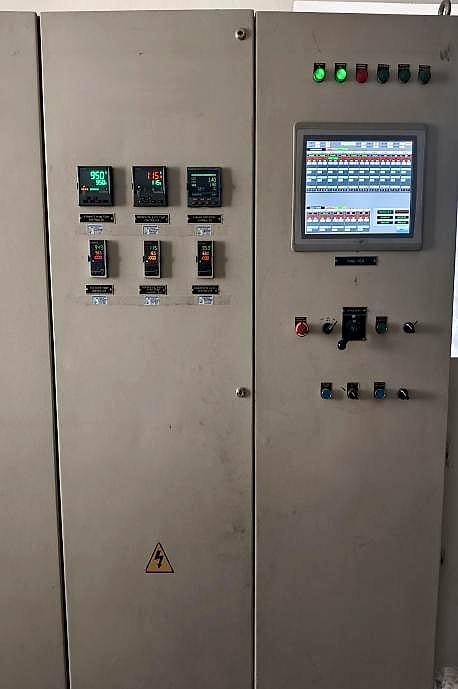
      Controls & PLC

      The control panel was rebuilt around the new instruments and the PLC program rewritten: automated heating, quenching and atmosphere sequences, recipes, interlocks and emergency shutdowns.

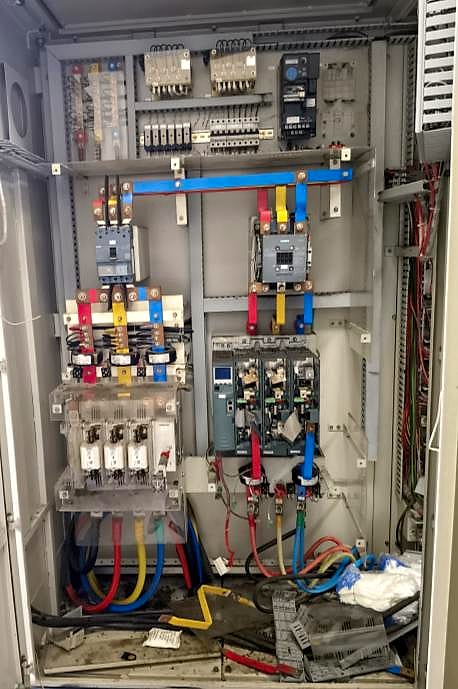
      Inside the old control panel before the rebuild
      Before
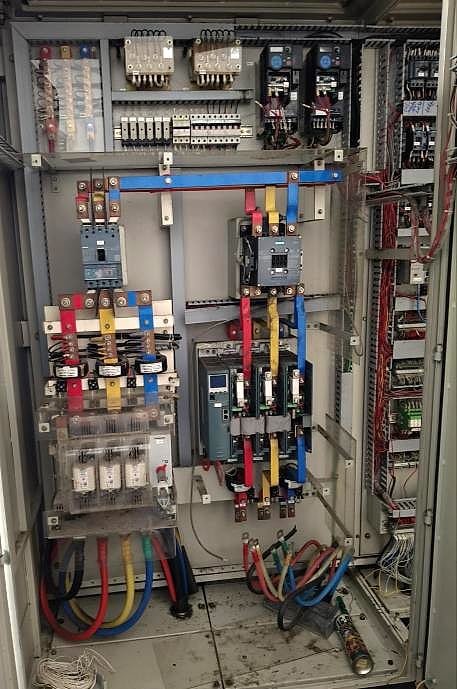
      Inside the rebuilt control panel with new wiring, breakers and PLC
      After
    8. 08

      Validation & handover

      A Temperature Uniformity Survey, four staged trials (dummy, cold, scrap load and fresh material charge) and operator training, then handover of the scope, test results and manuals.

      Temperature Uniformity Survey logger during validation, channels reading between 939 and 957 °C
      Survey
      Furnace door open during the trials, flame curtain burning at the entry
      Trials

    From site

    Project images.

    Rebuilt control panel front with the new operator interface
    Rebuilt control panel front with the new operator interface
    Rebuilt chamber roof and walls in new refractory brick
    Rebuilt chamber roof and walls in new refractory brick
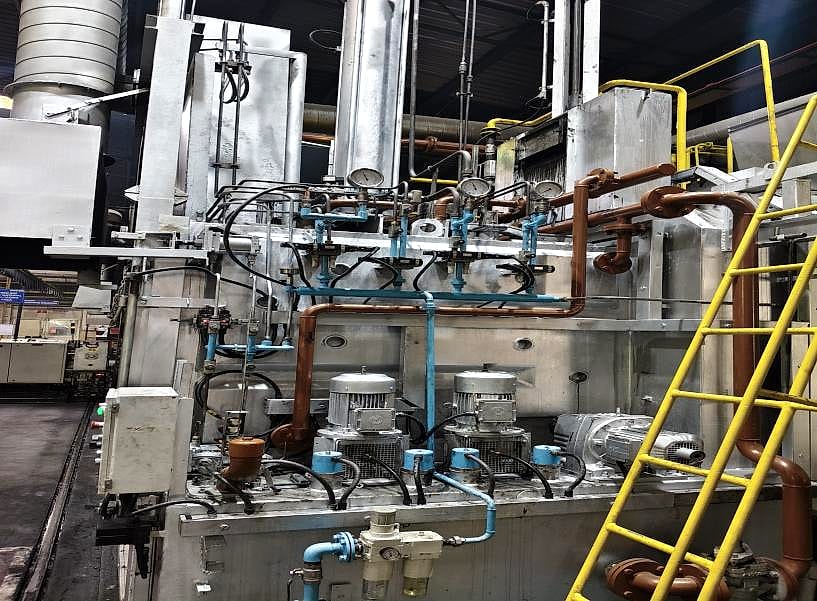
    New atmosphere panel pipework and instruments beside the furnace
    New atmosphere panel pipework and instruments beside the furnace
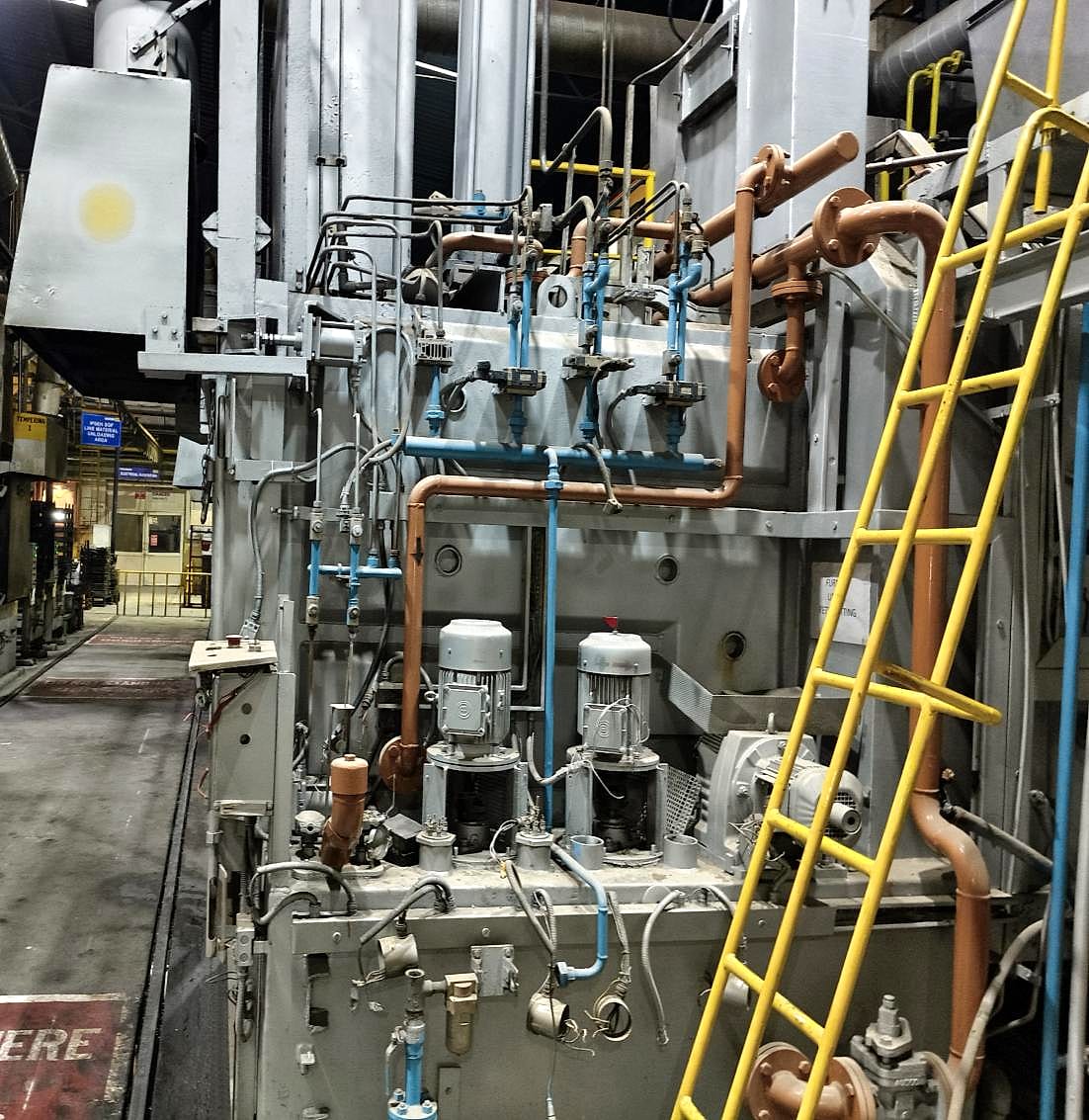
    Re-piped furnace side with new instruments, seen from the platform end
    Re-piped furnace side with new instruments, seen from the platform end
    Air-cooled heat exchanger and pipework after the conversion
    Air-cooled heat exchanger and pipework after the conversion
    Air-cooled recirculation fan and motor on the furnace roof
    Air-cooled recirculation fan and motor on the furnace roof

    Outcome

    What the client gained.

    Uniformity verified, not assumed

    The TUS confirmed even heating across the load before any production parts went in.

    Atmosphere under control

    The rebuilt gas panel mixes nitrogen, methanol and carrier gas accurately, with alarms against imbalance.

    No water near the atmosphere

    Air cooling on the fan and exchanger removes the leak risk and the scaling and corrosion upkeep.

    Quench oil watched on four channels

    Low and high level alarms protect against oil shortage or overflow during quenching.

    One system, one program

    The rewritten PLC runs heating, quenching and atmosphere as coordinated, interlocked sequences.

    Ready for audits

    TUS results, test records and manuals were handed over as documented evidence for customer QA.

    Start a project

    Have a furnace to modernise?

    Share your load, temperature and cycle time. Our engineering team will reply within two business days.

    Discuss your project

    We reply within two business days.