
Furnace & thermal-process engineering · Since 2007
Complete furnace and thermal-process solutions, engineered to your process.
Diagnosis, design and delivery for the heat-treatment processes your products depend on: reliable, uniform and energy-efficient, at a lower lifetime cost.
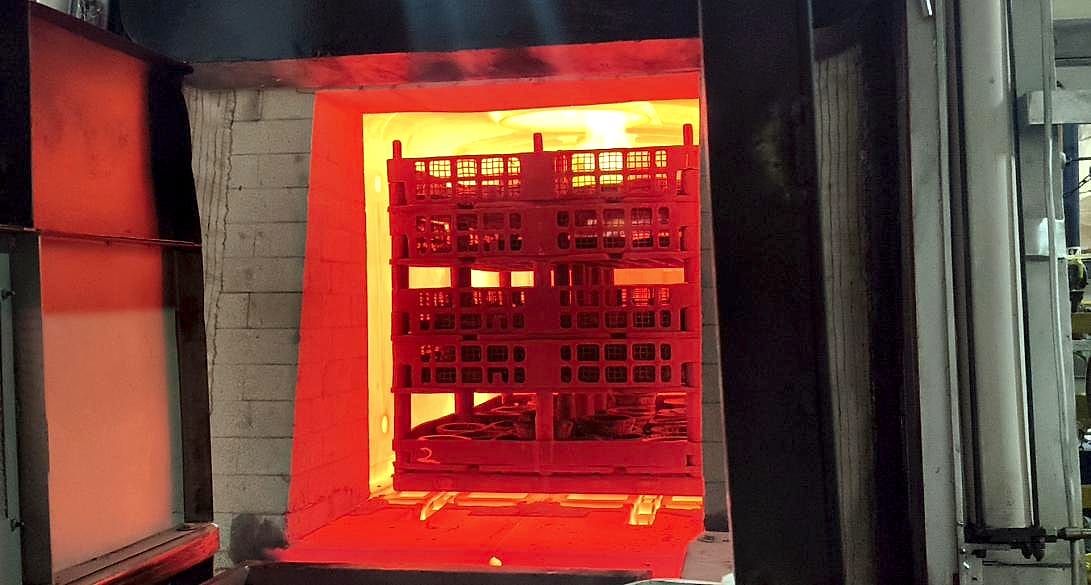

What we're called in for
Most calls start with a symptom, not a specification.
Tell us what the furnace is doing. Working out why is our job.
Furnace health assessment
We measure what the furnace is actually doing and trace the symptom to its cause.
How we handle itRetrofit, revamp & renovation
Rebuild what's failing inside the structure you already own, from lining to PLC.
How we handle itTUS & thermal mapping
Temperature uniformity surveys and thermal mapping, documented for your customers' QA.
How we handle itElectrification
Convert gas- or oil-fired furnaces to electric heating, usually keeping the structure.
How we handle itPreventive, routine & emergency maintenance
Planned maintenance that finds wear early, and a team to call when it can't wait.
How we handle itElements, components & spares
Heating elements, radiant tubes, fans, controllers and spares, supplied as part of the fix.
How we handle itElectrification
Why plants are taking their furnaces electric.
Converting gas- and oil-fired furnaces to electric heating changes how they run, not just what they run on.
- Every load heated the same wayTemperature and heat distribution are held exactly where they're set, switched by solid-state power control. Consistent parts, fewer rejects.
- Running cost that holds at temperatureElectric heating keeps its efficiency as the furnace gets hotter, while fuel firing loses more heat up the flue the hotter it runs.
- Less maintenance, less downtimeNo burners, fuel trains or combustion parts to service. Fewer things wear, so fewer unplanned stops.
- A fundamentally safer plantNo open flame, no combustion gases and no explosion risk, which also means simpler safety systems.
- A cleaner, quieter shop floorNo combustion, smoke or hot flue gases. The area around the furnace is cooler and cleaner to work in.
- Ready for decarbonisation targetsZero combustion emissions on site. The footprint follows your electricity mix and keeps shrinking as the grid gets cleaner.
Proof
Furnaces we've brought back and converted.
Real projects, photographed on site.
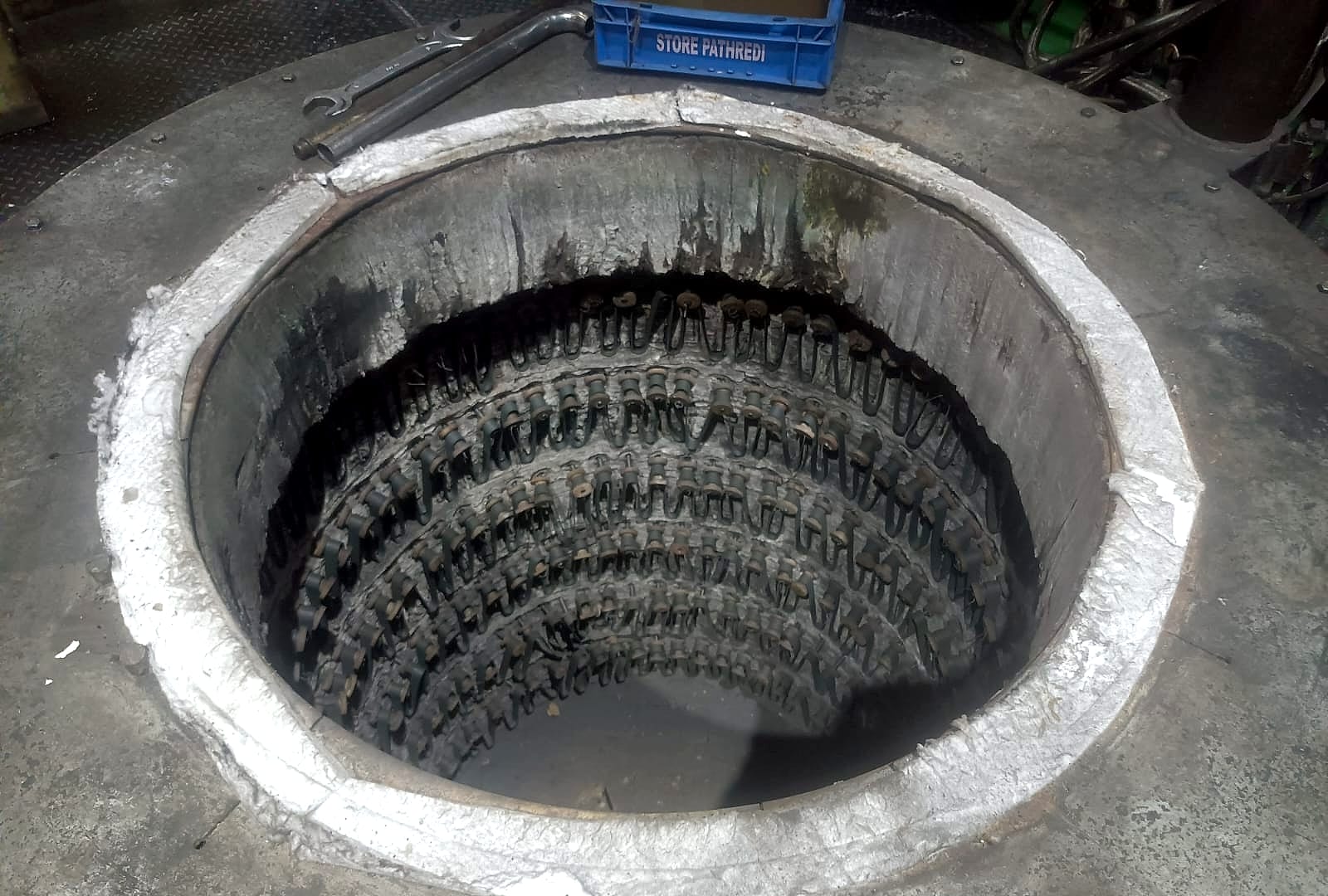 Retrofit
Pit furnace
Retrofitting a pit furnace using a Fibrothal based heating system
- Per batch
- 1,200 kg
- Rated power
- 115 kW
- Retrofit
Sealed quench furnace
Bringing a sealed quench furnace back into production
- Workstreams in one revamp
- 8
- Quench-oil level sensors
- 2 → 4
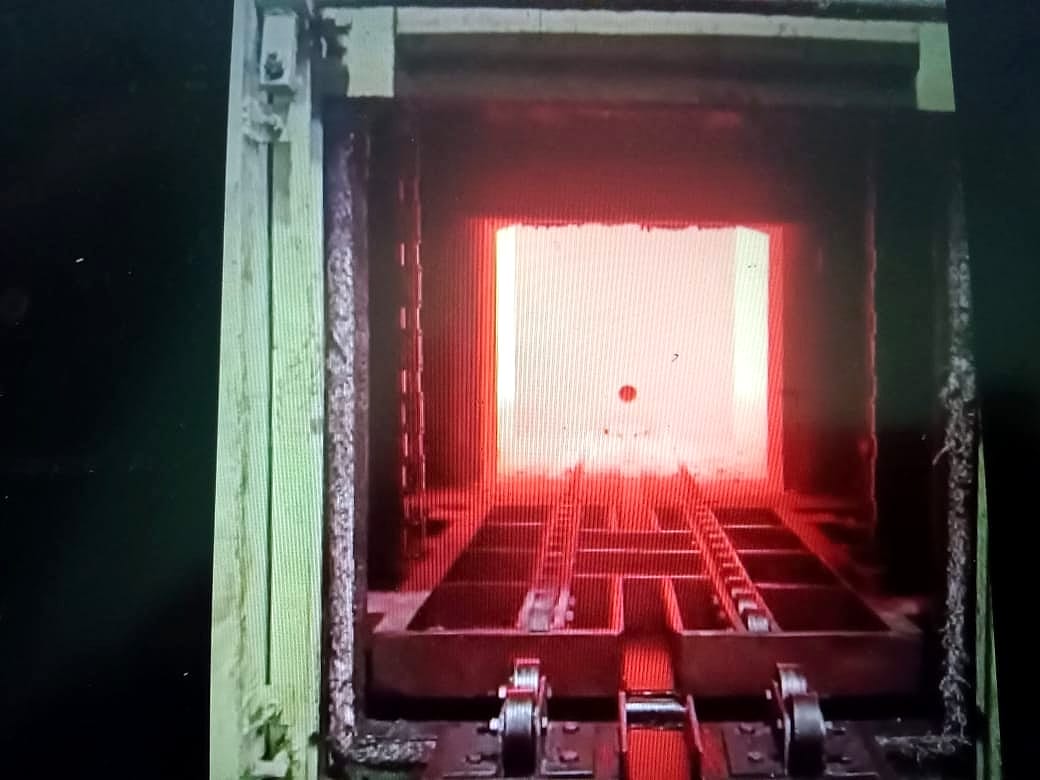 Electrification
Sealed quench furnace
Converting a gas-fired sealed quench furnace to electric heating
- Operating temperature
- 920–980 °C
 New furnace
Bell furnace
A new bell-type annealing furnace for cast iron
- Capacity
- 2 MT
- Rated power
- 60 kW
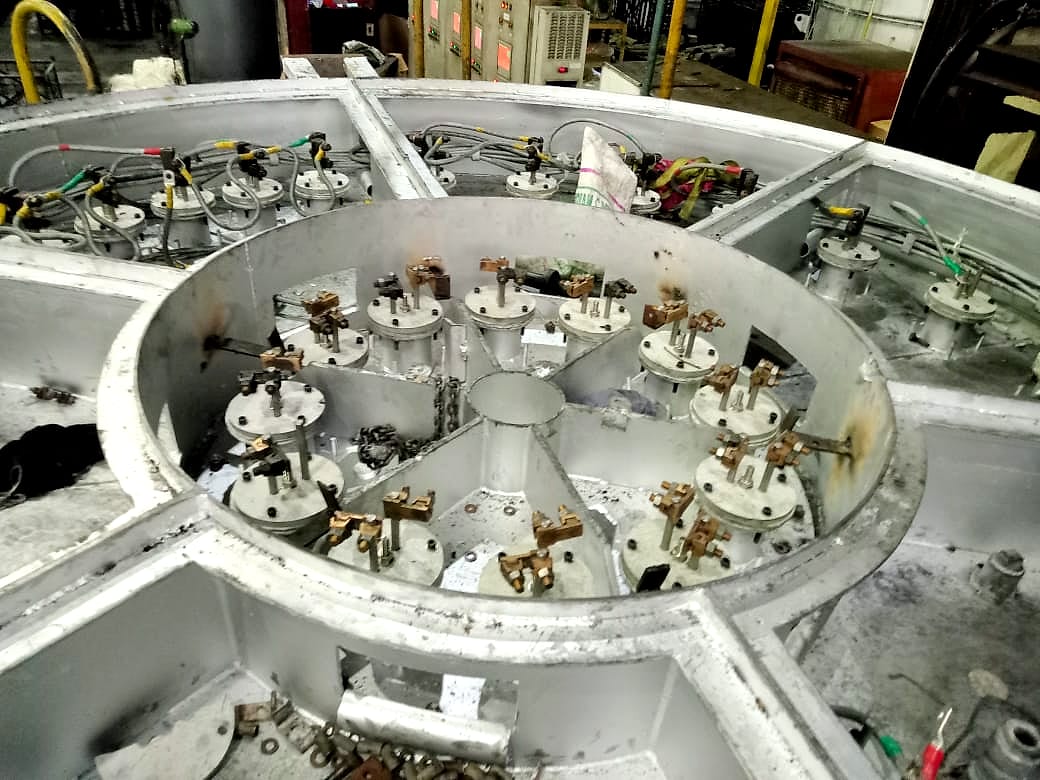 Revamp
Rotary hearth furnace
Revamping a rotary hearth furnace that kept failing
- Charge weight
- 300 kg
- Rated power
- 180 kW
 Retrofit
Aluminium holding furnace
Revamping an aluminium holding furnace
- To recover from a crucible failure
- 15 → 2 days
- Charge capacity
- 300 kg/h
Lifetime cost
What cheap actually costs.
A low price shows up once, on the invoice. Everything below shows up every month the furnace runs.
Energy, every hour
Heat lost through a tired lining or a poorly sized system is paid for on every cycle, for years.
Rejects and rework
A furnace that drifts out of uniformity turns good steel into scrap, or into a customer complaint.
Downtime
An idle furnace stops everything downstream of it. The cheapest part is the one that doesn't fail.
Early replacement
Elements and linings specified to a price wear out to a schedule, usually an inconvenient one.
Materials
Heating elements from Kanthal and other established makers, specified for each furnace's temperature and atmosphere.
Questions
What plant heads usually ask first.
Do you only work on furnaces you built?
No. Most of our work is on furnaces already running in your plant, whoever built them: sealed quench and other atmosphere furnaces, pit, bell, bogie hearth, continuous, tempering and pre-heating furnaces, and endo gas generators.
What happens in a furnace health assessment?
We come to site and measure how the furnace actually behaves: atmosphere influence, heat loss, temperature uniformity and the control philosophy. Then we explain what's causing the problem and what we'd change, before you commit to any work.
Can you revive a furnace that has been damaged or sitting idle?
Often, yes. We assess what can be saved, then rebuild the rest, from lining and instruments to atmosphere, cooling and controls. Our sealed quench furnace case study covers one that was not in working condition when we started.
Can you prove a furnace meets uniformity requirements for an audit?
Yes. We carry out Temperature Uniformity Surveys referenced to standards such as AMS 2750 and hand over documented results for your customers' QA.
Is electrification right for my furnace?
Not always. It depends on your process, temperature, atmosphere, power supply and energy prices. We assess the furnace and give you an honest answer, including what it will cost to run.
Start a project
Tell us about your process. We'll engineer the heat.
Share your load, temperature and cycle time, and what the furnace is doing today.
We reply within two business days.